The mid-size SUV segment in India has never been more competitive. From the sub-4-metre fighters to the proper 7-seater flagships, buyers now expect a lot. But if you are planning your next SUV purchase and wondering whether to wait, you might actually want to hold that booking for a bit.
The next 12 months are shaping up to be genuinely exciting for mid-size SUV buyers. Five all-new or heavily updated models are heading to India, each targeting a slightly different buyer. Let us break down what is coming, what to expect, and whether any of these make sense for you.
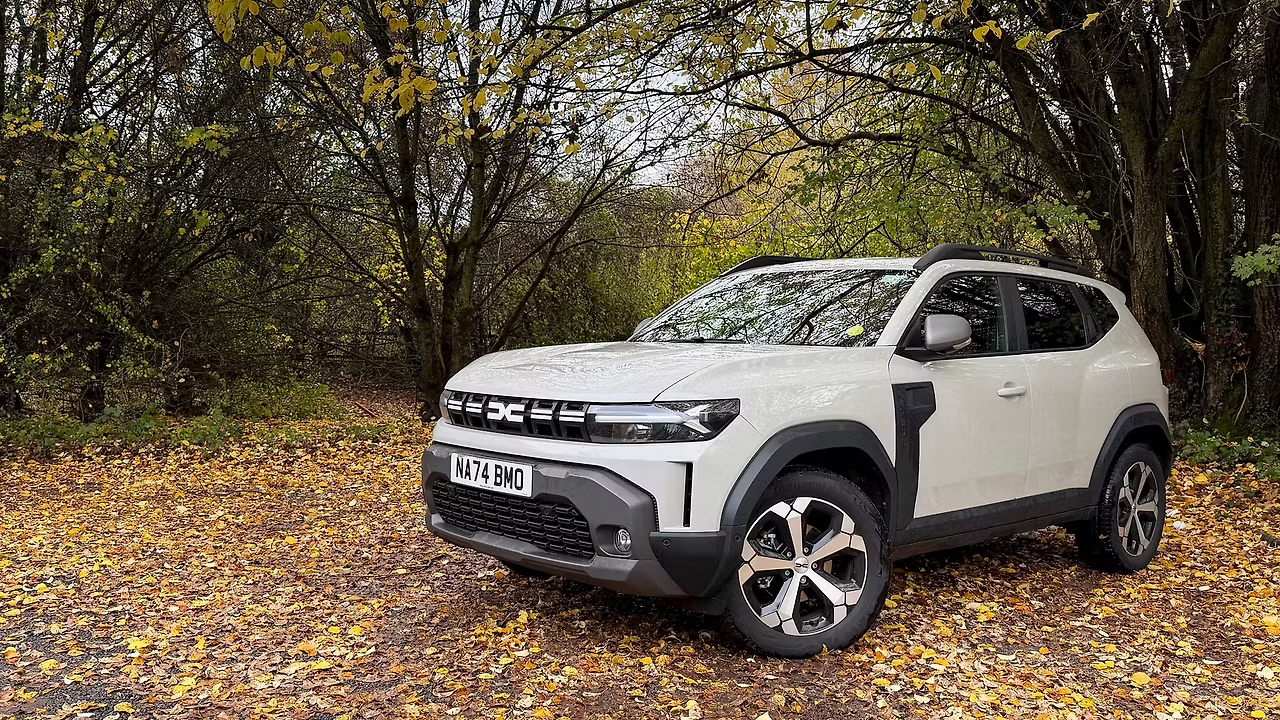
1. New Renault Duster: The One That Started It All Is Back
The original Duster practically built the affordable SUV segment in India. The new generation, which has already gone on sale globally, is a completely different machine from the ground up.
Sitting on Renault-Nissan’s CMF-B platform, the new Duster is wider, longer, and looks far more mature than its predecessor. The boxy, rugged character is retained but with sharper detailing and a proper road presence.
What to expect in India: A 1.0-litre turbo petrol with mild hybrid assist, likely paired with a 6-speed manual and possibly a DCT. Four-wheel drive may be offered on top variants, which would make it genuinely interesting for weekend off-roaders.
Real-world expectations: The outgoing Duster had solid highway manners and decent ground clearance. The new one improves on both. Interior quality takes a big leap with a landscape-oriented infotainment screen and better soft-touch materials than anything Renault has offered in India before.
Expected price range: Rs 12 lakh to Rs 18 lakh. That pricing, if confirmed, makes it one of the stronger value propositions in this segment.
Ideal buyer: Someone who wants genuine character in their SUV, does occasional highway runs, and does not need third-row seating.
2. Volkswagen Tiguan: Back With a Purpose
The Tiguan was always the sensible German choice in a segment dominated by Korean brands. VW is bringing the new generation to India and this time it should arrive with better equipment levels and a more competitive price.
The new Tiguan is larger inside than you would guess from the outside. Rear seat space is genuinely good for Indian families and the boot, at over 600 litres, is one of the best in class. The 2.0 TSI petrol engine is smooth and refined, and the DSG gearbox remains one of the better automatics in this price range.
NVH levels are excellent. At highway speeds above 110 kmph, the cabin feels impressively isolated. City driving with the DSG can feel slightly hesitant at low speeds if you are aggressive with the throttle, but most buyers will barely notice.
Real-world mileage: Expect 12 to 14 kmpl on highways, and around 9 to 10 kmpl in city conditions.
Safety: The Tiguan’s global platform carries a five-star NCAP rating. Expect six or more airbags, ADAS features like lane keep assist and adaptive cruise, and a 360-degree camera.
Expected price range: Rs 34 lakh to Rs 40 lakh. It sits above Korean rivals but below full European luxury SUVs. If VW gets the variant pricing right, this could be their strongest India launch in years.
Ideal buyer: Professional or family buyer who values build quality, wants an automatic with confidence, and does long highway trips regularly.
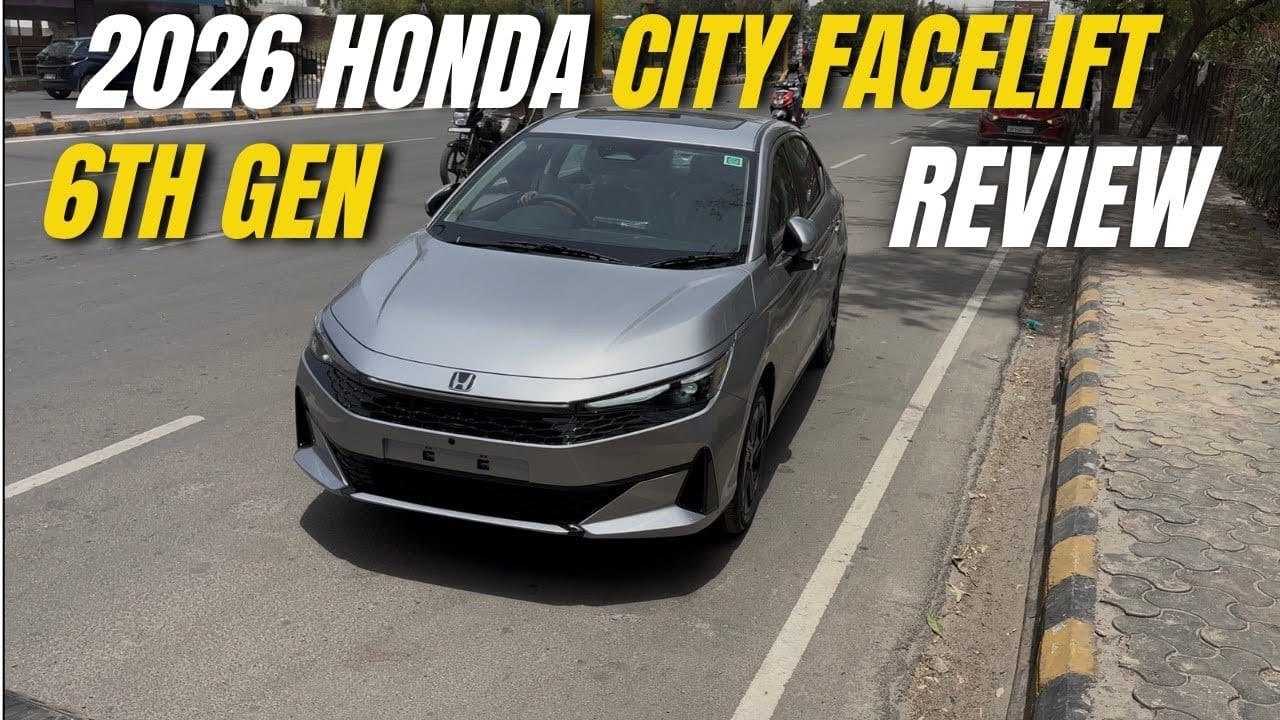
Also Read Honda City Facelift 2026 Review: Still the Benchmark, or Time to Look Elsewhere?
3. Skoda Kodiaq: The Practical Seven-Seater Gets Sharper
The second-generation Kodiaq has been making waves in European markets, and India is finally getting it. If you need a proper 7-seater that does not compromise on driving dynamics, the Kodiaq is arguably the most complete package coming in this window.
Third-row access is better than most in the segment. Adults can sit back there for short trips without embarrassing themselves. The middle row has excellent legroom and the captain seat option on some variants makes a proper difference.
The 2.0 TSI with the 7-speed DSG remains the likely powertrain for India. It is smooth, quick when you need it, and refined enough for daily commutes. On the highway, the Kodiaq just cruises effortlessly. It does not feel like a large car to drive.
Skoda has upgraded the infotainment significantly. The new screen is faster and the connected tech works better than older generations. Ventilated seats, a panoramic sunroof, and ambient lighting are expected on top variants.
Real-world mileage: 11 to 13 kmpl highway, 8 to 9 kmpl city.
Expected price range: Rs 40 lakh to Rs 48 lakh. Premium positioning, but competing with the Jeep Meridian and Fortuner directly.
Ideal buyer: Joint families, frequent road trippers, or buyers who need 7 seats but want European refinement.
4. Hyundai Tucson: The Mild Facelift That Goes Further
The current Tucson sells in decent numbers but has always felt slightly underequipped compared to what Hyundai offers globally. The updated version arriving in India in the next few months addresses several of those concerns.
ADAS gets more comprehensive. The powertrain lineup includes the 2.0 petrol and the 1.6 turbo petrol hybrid combo, the latter being genuinely appealing for buyers who do heavy city driving. The hybrid drivetrain in international markets delivers close to 17 kmpl in mixed conditions, which for a car of this size is impressive.
Rear seat space is already one of the Tucson’s stronger points. The update improves the rear AC vents and adds more storage pockets. Boot space at 540 litres is practical without being exceptional.
The interior feels well-built. Panel gaps are tight, button quality is above average, and the panoramic sunroof is massive.
Expected real-world mileage: 1.6 turbo hybrid, 14 to 16 kmpl mixed. 2.0 petrol, 11 to 12 kmpl.
Expected price range: Rs 30 lakh to Rs 40 lakh depending on variant.
Ideal buyer: Urban professionals, buyers upgrading from a Creta or Seltos who want more space and features, and hybrid buyers looking beyond sedans.
5. Honda CR-V: A Proper Return With Hybrid Power
Honda pulled the CR-V from India a few years back citing demand issues. The new generation is expected to return, this time leading with a strong hybrid powertrain that Honda has refined considerably in international markets.
The fifth-generation CR-V was polished but felt outdated by the time it left. The sixth-generation brings a full redesign, a cleaner interior, and Honda’s e:HEV hybrid system that works more like a series hybrid. It is smooth, refined, and surprisingly spirited.
For Indian roads, the ride quality matters a lot. Honda typically tunes suspensions for comfort without excessive body roll, and the CR-V has always been good at this. Ground clearance is adequate but not class-leading.
Boot space is generous, rear seat comfort is excellent, and the quality of materials inside is a step above what Korean brands offer at this price point.
Expected real-world mileage: 15 to 17 kmpl in mixed conditions with the hybrid powertrain.
Expected price range: Rs 38 lakh to Rs 46 lakh.
Ideal buyer: Honda loyalists, hybrid enthusiasts, buyers who want Japanese reliability in a larger package.
Pros and Cons at a Glance
Renault Duster Pros: Value pricing, off-road ability, fresh design Cons: Smaller brand service network, interior may feel basic vs Korean rivals
Volkswagen Tiguan Pros: Build quality, DSG refinement, safety tech Cons: Dealer network smaller than Korean brands, DSG service costs
Skoda Kodiaq Pros: Seven seats, driving dynamics, boot space Cons: Expensive, third row only for shorter passengers
Hyundai Tucson Pros: Hybrid option, strong ADAS, Hyundai after-sales reliability Cons: Nothing dramatically new vs current model
Honda CR-V Pros: Hybrid efficiency, interior quality, ride comfort Cons: Honda’s track record of pulling products from India makes buyers cautious
Which One Should You Buy?
Budget under Rs 20 lakh and want character: New Renault Duster. Under Rs 35 lakh and want safety plus efficiency: Hyundai Tucson hybrid. Under Rs 40 lakh and want European build quality: Volkswagen Tiguan. Need seven seats and do not mind spending: Skoda Kodiaq. Want hybrid with Japanese reliability: Honda CR-V.
Wait and watch if you are in no hurry. All five are worth your time.
Frequently Asked Questions
Which of these SUVs is best for highway driving?
The Volkswagen Tiguan and Skoda Kodiaq are the most settled at highway speeds. The Honda CR-V hybrid is also very comfortable for long trips.
Which upcoming SUV gives the best mileage?
The Honda CR-V hybrid and Hyundai Tucson hybrid are expected to deliver the best real-world efficiency, around 15 to 17 kmpl in mixed conditions.
Is the new Renault Duster coming with 4WD in India?
Top variants of the global model offer 4WD. India-spec confirmation is pending, but it is possible on the highest trim.
Which of these SUVs is best for a family of five with two kids?
The Skoda Kodiaq for seven seats, or the Hyundai Tucson for four-plus-one comfort. Both offer good rear seat space and strong safety features.
Will these SUVs have good resale value in India?
Hyundai generally holds value best in India. Volkswagen and Skoda have improved in recent years. Honda’s resale depends on whether they sustain the product long-term.
Which is the safest upcoming SUV in this list?
All five are expected to come with six-plus airbags and ADAS. The Kodiaq and Tiguan have five-star global NCAP ratings. Honda CR-V has strong crash test results internationally too.
Should I wait for these or buy the current crop now?
If you need a car urgently, buy now. The Hyundai Alcazar, Tata Harrier, and MG Hector are solid buys today. But if you can wait 6 to 9 months, the new Tucson and Duster in particular look like strong additions to the segment.